

Introduction
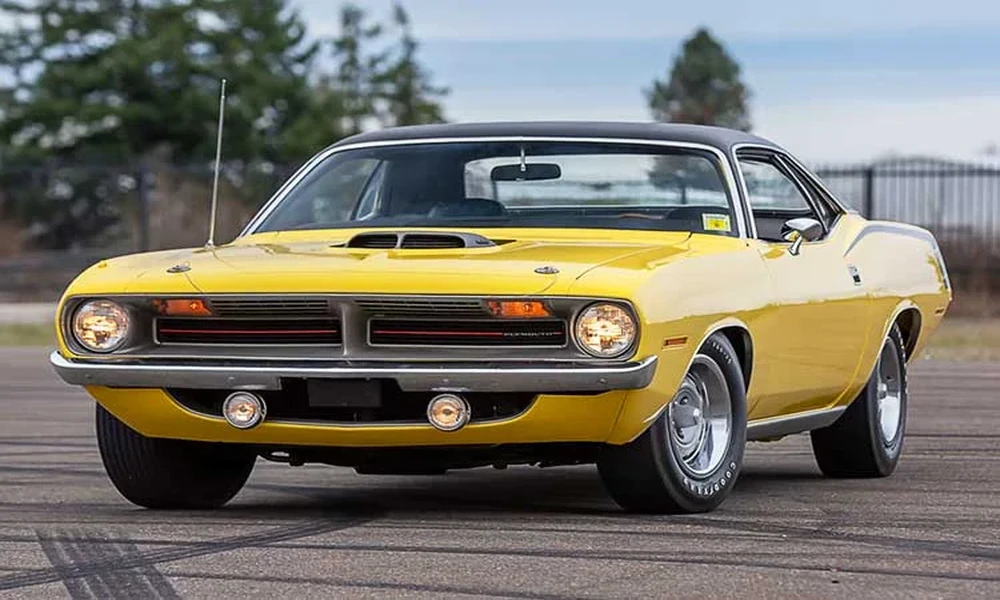
Buying a first generation muscle car can be an exciting experience for collectors and automotive enthusiasts. These classic vehicles are valued for their performance, unique styling, and historical significance. However, identifying a desirable model requires careful research and inspection. Many buyers make avoidable mistakes that can result in unexpected repair costs, reduced vehicle value, or long-term ownership challenges. Understanding these common mistakes helps buyers make informed decisions and choose a classic muscle car that offers lasting value and enjoyment.
To make an informed purchase, buyers must learn to Identify Desirable First Generation Insights that go beyond surface-level appeal and reveal a car’s true potential. Recognizing key details like factory options, original trim packages, and trim tag coding allows collectors to separate an everyday driver from a rare, high-value gem. By developing this keen eye before making an offer, you can navigate the market with confidence and avoid overpaying for a vehicle that lacks real collector appeal.
Focusing Only on Appearance
One of the most common mistakes is judging a vehicle solely by its appearance. A freshly painted exterior or polished interior may hide mechanical problems or structural damage.
Buyers should inspect both the cosmetic condition and the mechanical components before making a purchase.
Ignoring Vehicle History
Some buyers fail to research the current demand for a particular vehicle before purchasing it. Service records, ownership details, and maintenance documentation provide valuable information about how the car has been cared for over the years.
Reviewing the vehicle’s history helps buyers identify potential concerns before purchasing.
Not Verifying Original Components
Original parts often play an important role in the value of a first generation muscle car. Failing to verify whether major components remain original may affect the vehicle’s collector appeal and long-term value.
Checking important components carefully helps buyers make more informed decisions.
Overlooking Rust and Structural Damage
Rust is one of the most common problems found in classic vehicles. Some buyers focus only on visible areas and fail to inspect the undercarriage, frame, wheel arches, and other hidden sections.
A thorough inspection helps identify corrosion and possible structural issues before the purchase.
Underestimating Restoration Costs
Many classic muscle cars require repairs or restoration. Buyers sometimes underestimate the cost of replacement parts, labour, and ongoing maintenance.
Understanding potential restoration expenses helps buyers establish a realistic budget.
Ignoring Market Demand
Some buyers purchase a vehicle without researching current market interest. Certain models are more desirable because of their rarity, historical importance, or original features.
Researching market demand helps buyers better understand the vehicle’s potential long-term value.
Forgetting Long-Term Ownership Costs
The purchase price is only one part of owning a classic muscle car. Insurance, storage, maintenance, registration, and future repairs should also be considered before making a decision.
Planning for these ongoing costs helps prevent unexpected financial challenges.
Conclusion
Avoiding common mistakes is essential when identifying a desirable first generation muscle car. Looking beyond appearance, reviewing the vehicle’s history, verifying original components, checking for rust, estimating restoration costs, researching market demand, and planning for long-term ownership all help buyers make informed decisions. Careful evaluation before purchasing helps protect the investment and allows buyers to enjoy a classic muscle car that offers lasting value, reliability, and collector appeal.
