

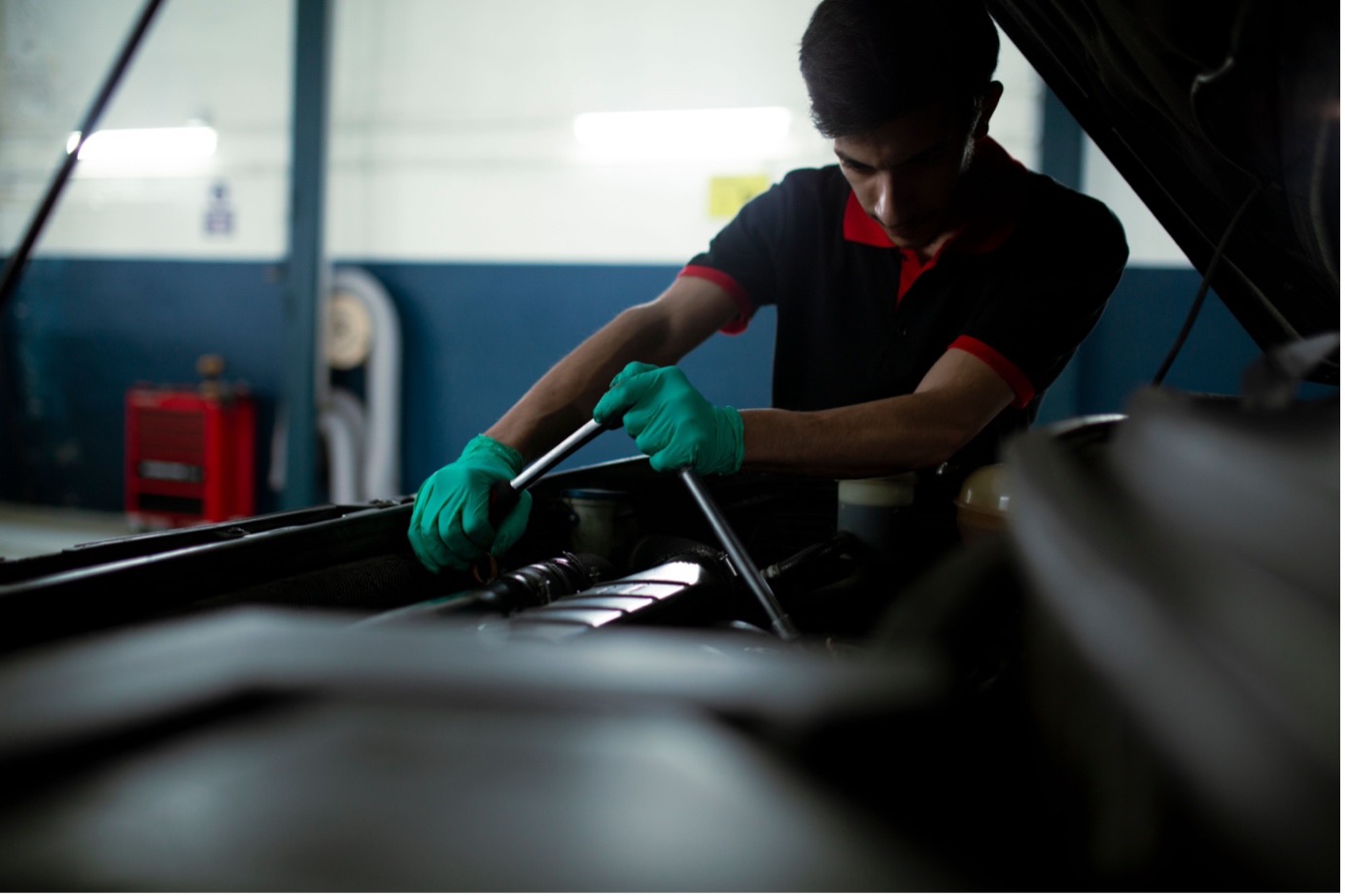
A well-maintained car is not only more reliable but also helps protect you, your passengers, and other road users. Following a regular car safety checklist can help identify minor issues before they become costly repairs or serious safety hazards. Here’s everything every Australian driver should know about keeping their vehicle in peak condition.
Why a Car Safety Checklist Matters
Many vehicle breakdowns and accidents are linked to preventable maintenance issues. Tyres, brakes, lights, and fluid levels all play a critical role in your vehicle’s performance and safety.
A routine safety inspection can help you:
- Reduce the risk of roadside breakdowns
- Improve vehicle handling and performance
- Extend the lifespan of your vehicle
- Enhance fuel efficiency
- Ensure compliance with Australian road safety standards
- Drive with confidence and peace of mind
The Ultimate Car Safety Checklist
1. Check Your Tyres
Your tyres are the only point of contact between your vehicle and the road. A tyre inspection involves checking for:
- Tyre pressure against the manufacturer’s recommendations
- Tread depth for adequate grip
- Signs of uneven wear
- Cracks, bulges, or visible damage
Properly maintained tyres improve braking performance, fuel economy, and overall road safety.
2. Test Your Brakes
Brakes are among the most important safety components in any vehicle. If you notice any of the following warning signs, book a professional brake inspection immediately.
- Squealing or grinding noises
- Soft or spongy brake pedals
- Vehicle pulling to one side when braking
- Increased stopping distances
3. Inspect Vehicle Lights
Working lights help you see and be seen. Replacing faulty bulbs is a simple but essential safety measure that can help prevent accidents. Make sure to check your:
- Headlights
- Brake lights
- Tail lights
- Indicators
- Hazard lights
- Reverse lights
4. Monitor Fluid Levels
Several fluids keep your vehicle operating safely and efficiently. Low or contaminated fluids can cause performance issues and increase the risk of mechanical failure. Check your:
- Engine oil
- Coolant
- Brake fluid
- Power steering fluid
- Transmission fluid
- Windscreen washer fluid
5. Assess Battery Health
Regular battery testing helps avoid unexpected breakdowns. A flat battery can leave you stranded at the worst possible time. Look for:
- Slow engine cranking
- Corrosion around terminals
- Dashboard battery warnings
- Battery age exceeding three years
6. Examine Windscreen Wipers and Glass
Clear visibility is critical in all driving conditions. Replace worn wiper blades immediately to maintain visibility during rain and storms. Check your:
- Wiper blade condition
- Windscreen cracks or chips
- Washer spray effectiveness
7. Verify Seatbelts and Safety Equipment
A quick inspection can make a significant difference in an emergency situation. Seatbelts remain one of the most effective vehicle safety features. Ensure that your:
- Seatbelts lock and retract correctly
- Child restraints are properly secured
- Emergency warning triangle is available if required
- First aid kit is stocked and accessible
8. Check Steering and Suspension
Steering and suspension systems contribute to vehicle stability and control. Warning signs include:
- Unusual vibrations
- Vehicle pulling to one side
- Excessive bouncing after bumps
- Clunking noises when turning
Schedule a Professional Vehicle Inspection
By routinely checking tyres, brakes, lights, fluids, and other key components, you can reduce the likelihood of breakdowns and costly repairs while improving overall driving confidence. For complete peace of mind, consider scheduling a professional vehicle safety inspection with trusted automotive experts. Preventative maintenance today can save you significant time, money, and stress down the road.
