

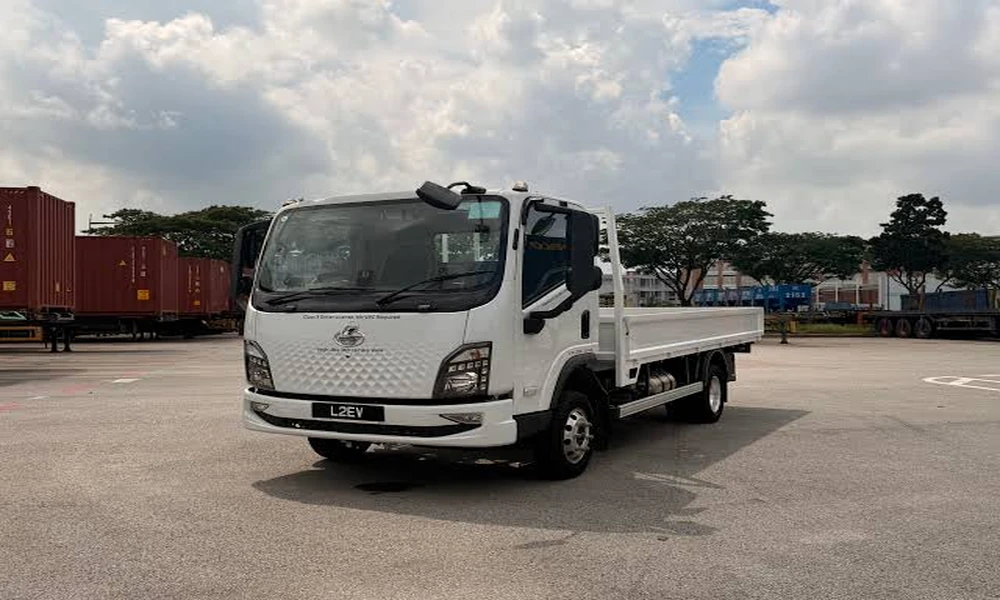
The case for electrifying a fleet is usually made on emissions, but fleet managers tend to decide on something more practical: whether an electric vehicle can do the same job, on the same routes, at a cost the business can absorb. An electric truck Singapore increasingly can, at least for the short, predictable urban routes that make up much of local logistics. Understanding how these vehicles fit into fleet operations, from route planning and charging to incentives and driver training, helps operators move from pilot projects to a broader transition.
Why Singapore Suits Electric Trucks
Singapore’s compact size works in favour of electric commercial vehicles. Many delivery and distribution routes cover limited daily distances, often starting and ending at the same depot. Vehicles spend much of their time in stop-start traffic, where electric drivetrains are efficient and regenerative braking recovers energy. Depots provide natural places for overnight charging. These conditions reduce concerns about range that might apply in larger countries with long highway routes.
National Policy Direction
The government has set out plans to reduce land transport emissions, and commercial vehicles are part of that effort. Incentives such as the Commercial Vehicle Emissions Scheme and the Heavy Vehicle Zero Emissions Scheme encourage cleaner vehicles, while charging infrastructure is being expanded across the island. For fleet operators, these policies signal that electric commercial vehicles are becoming mainstream rather than experimental, and that early experience may pay off as more of the market shifts.
Matching Vehicles to Routes
Not every route is suited to electrification at the same time. Operators usually start by analysing:
- Daily distance and variation between days
- Payload and vehicle size requirements
- Time spent idling or in stop-start traffic
- Opportunities to charge at depots or customer sites
- Routes with predictable schedules
Routes with moderate, consistent distances and overnight depot parking are often the easiest to electrify first.
Charging Strategy
Charging is central to fleet electrification. Most fleets rely on overnight depot charging, which allows vehicles to start each day fully charged. Some routes may need top-up charging during the day, either at depots or at public fast chargers. Planning should consider the number of chargers, power supply capacity, charging times and how vehicles will be scheduled to use them. Depot electrical upgrades may be needed, so early discussion with electrical contractors and landlords is helpful.
Operating Cost Considerations
Electric trucks typically cost more to buy than diesel equivalents, but they can be cheaper to run. Electricity is generally less expensive per kilometre than diesel, and electric drivetrains have fewer moving parts, which can reduce maintenance. Incentives can help offset higher purchase prices. Fleet managers should compare total cost of ownership over the vehicle’s life, including energy, maintenance, incentives, insurance and residual value, rather than focusing on purchase price alone.
Incentives Available
Several schemes support electric commercial vehicles. Under the Heavy Vehicle Zero Emissions Scheme, which LTA has said will run until the end of 2028, eligible zero-emission heavy vehicles above 7,000kg maximum laden weight can receive up to S$40,000, while the amount for vehicles between 3,500kg and 7,000kg was reduced to S$15,000 from September 2026. Lighter commercial vehicles may benefit from the Commercial Vehicle Emissions Scheme. Because amounts and eligibility change, check current terms with LTA before planning a purchase around any specific figure.
Driver Training and Adoption
Drivers play a key role in getting the most from an electric truck Singapore. Electric vehicles drive differently, with instant torque, quiet operation and regenerative braking. Training helps drivers maximise range, use regenerative braking effectively and follow charging procedures. Involving drivers early, explaining the reasons for the change and gathering their feedback helps adoption and can highlight practical issues that planners might miss.
Maintenance and Support
Electric trucks need less routine maintenance than diesel vehicles, as there are no oil changes, fewer moving parts and less brake wear thanks to regenerative braking. However, they require specialist knowledge for high-voltage systems and battery health. Fleet operators should confirm:
- Availability of trained service technicians
- Battery warranty terms and coverage
- Access to spare parts locally
- Remote diagnostics and software updates
Reliable support reduces downtime and builds confidence in the technology.
Measuring Results
Tracking performance helps operators assess the success of electrification and plan the next steps. Useful measures include energy cost per kilometre, maintenance costs, vehicle availability, charging utilisation and emissions reductions. Comparing these figures with diesel vehicles on similar routes provides clear evidence for decision-makers. Data from early vehicles also helps refine route planning and charging strategies for future deployments.
Building a Transition Plan
A phased approach works well for most fleets. Start with a small number of vehicles on suitable routes, learn from the experience and expand gradually. Align vehicle replacement cycles with electrification plans so that new purchases support the transition. Talking with a supplier of electric commercial vehicles in Singapore can help identify suitable models and plan charging infrastructure.
A Practical First Step
Pull a month of route data for your existing fleet. Identifying the routes with the most predictable daily distances is usually the fastest way to find where electric vehicles can start delivering value.
