

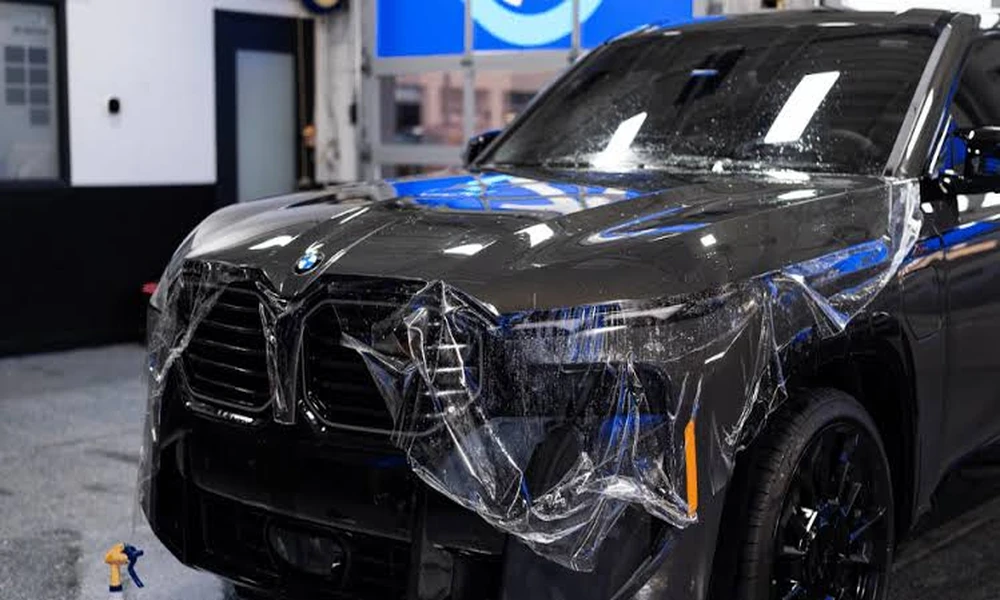
Every region has its own set of hazards for car paint. In Colorado Springs, the combination of altitude, weather extremes, gravel-strewn roads and mountain driving creates a particularly demanding environment. Understanding these local threats helps explain why so many drivers here are choosing paint protection film. This article looks at the specific conditions your vehicle faces and how PPF helps.
The Local Threats to Your Paint
Rock chips and gravel. Highway driving on routes like I-25 and trips toward the mountains often mean following trucks and driving on roads with loose stone. Small chips on the hood, bumper and mirrors are one of the most common types of damage.
Winter road treatments. When snow and ice arrive, roads are treated with materials that can cling to paint and undercarriage components. Left on the surface, these residues can dull paint and contribute to corrosion over time.
Intense UV exposure. At higher altitude, there is less atmosphere to filter sunlight, so ultraviolet exposure is stronger. Over the years, this can fade and degrade clear coats, especially on dark colours.
Hail and storms. Colorado is known for sudden severe weather. While PPF is not designed to stop dents from large hail, it can help protect against smaller impacts and abrasions.
Temperature swings. Rapid shifts between warm days and cold nights stress paint and exterior materials.
How PPF Helps
Paint protection film is a flexible, transparent urethane layer applied directly to painted surfaces. It absorbs impacts that would otherwise reach the paint, resists staining and often features a self-healing surface that recovers from light swirl marks.
Because the film sits over the factory finish, it protects the paint instead of replacing it. When the time comes to sell, or if you decide to remove the film, the paint underneath can be in much better condition than an unprotected car that has endured years of road wear.
Which Areas Should You Prioritise?
If you do not want to wrap the entire vehicle, focus on the areas that take the most abuse:
- Front bumper: the first point of contact for road debris.
- Hood and fenders: frequently hit by stones thrown from vehicles ahead.
- Side mirrors: exposed and often chipped.
- Headlights and fog lights: which can pit or haze over time.
- Rocker panels and lower doors: which collect road spray and gravel.
- Door edges and cup areas: where fingernails and keys leave marks.
Making an Informed Choice
When researching Colorado Springs paint protection film providers, consider the film quality, installer experience, preparation methods and warranty. Springs Detailing offers paint protection film services in the area, so local drivers can discuss coverage options that match their vehicle and driving habits.
A good consultation should cover your car’s paint condition, how you use it and your budget. An honest installer will help you decide whether a partial or full package makes the most sense.
Vehicles That Benefit Most
PPF suits a wide variety of vehicles, including:
- New cars, where you want to preserve factory paint from day one.
- Trucks and SUVs, which often travel on gravel roads and mountain routes.
- Performance and luxury vehicles, where paint finish is a priority.
- Leased vehicles, to help avoid wear charges at return.
- Dark-coloured cars, where chips and swirls are especially visible.
Pairing PPF With Other Protection
Many owners combine paint protection film with a ceramic coating applied over the film and the remaining painted panels. This combination can make washing easier and add gloss, while the film handles physical impacts. Ask your installer whether this approach suits your vehicle and which products are compatible.
Seasonal Care Tips
- Winter: rinse off road treatments regularly, especially from the lower panels and front end.
- Summer: wash off bugs, bird droppings and sap promptly before they bake onto the surface.
- All year: use gentle washing techniques and avoid abrasive brushes.
- After installation: follow your installer’s guidance on curing time and when you can first wash the vehicle.
Cost Versus Value
PPF represents a meaningful upfront investment, but it should be weighed against the potential cost of repainting chipped panels, the loss in resale value from visible damage and the satisfaction of keeping a car looking new. Many owners find that the peace of mind alone is worth it.
Common Questions From Local Drivers
Will the film be visible? High-quality film is designed to be optically clear. Edges are usually only noticeable on close inspection, particularly when the installer wraps film around panel edges.
Can PPF be applied to a car that is not new? Yes, provided the paint is in sound condition. Existing chips or damaged clear coat may need to be addressed first, since film cannot fix underlying paint problems.
Does film affect resale? Many buyers appreciate original, well-kept paint, and film can be professionally removed if you prefer to sell without it.
Can I take my vehicle off-road or on mountain trails? Film helps guard against stones and brush scratches, though heavy off-road use will still wear any exterior surface over time.
Conclusion
Colorado Springs is a beautiful place to drive, but it is tough on paint. Rock chips, winter road treatments, strong sunlight and unpredictable weather all take a toll. Paint protection film provides a practical, nearly invisible defence that helps your vehicle keep its looks and value. Choose a skilled installer, select the right coverage for your needs and look after the film properly to enjoy the benefits for years.

1 Comment
Pingback: PPF Clear Film: Protect Your Car’s Paint from Everyday Damage – BNH Automotive