

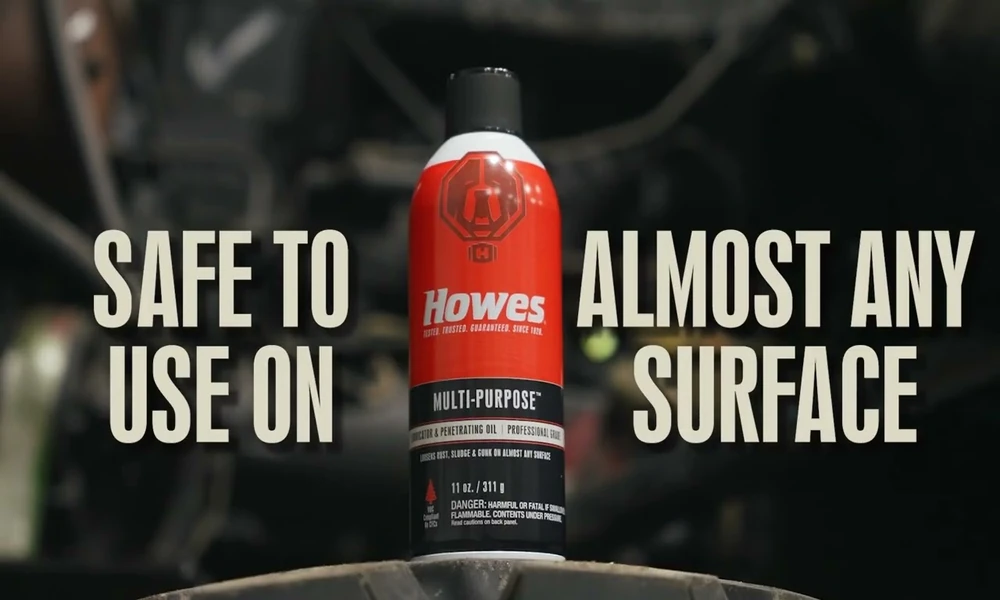
You do not need a lesson on rust or seized hardware. You need a plan that saves parts, time, and knuckles. I judge penetrating oils by how fast they creep, how cleanly they free threads, and how much protection they leave behind. If you want a proven option to start with, Howes Multi-Purpose Lubricator and Penetrating Oil aligns with the core qualities I look for in the best penetrating oil category, and I will explain why.
I focus on results you can repeat. The picks and methods below come from years of helping techs, farmers, and shop owners choose products that work under pressure. Follow the steps, stock the right format, and you will turn stuck fasteners into routine work instead of problem jobs.
What Makes a Penetrating Oil Worth Your Money
Before you pick a brand, lock in the criteria. Good penetrating oils do more than loosen rust.
- Creep and capillary action
The oil must wick into tight threads and seams quickly. Thin, active formulas reach the fracture point of the rust bond where it matters.
- Rust disruption
The chemistry should break oxide bonds and lift grime without attacking base metals.
- Residual lubrication
Once the fastener moves, you want a slick film that prevents galling and cold welding during removal and reassembly.
- Water displacement and protection
Moisture hides in threads. A quality oil pushes out water and leaves a barrier against new corrosion.
- Material compatibility
Many jobs run close to rubber boots, wire insulation, painted surfaces, and trim. The oil should be safe on common shop materials.
- Low residue dust attraction
The protective film should not pull in dirt. A clean, non-tacky finish keeps parts serviceable.
- Delivery options that fit the job
Aerosols with precision straws for tight areas. Refillable squeeze bottles for benches and assembly. Bulk for high-volume shops.
- Practical safety
Manageable odor, no harsh alcohols or aggressive solvents, and solid performance without messy overspray.
Why I Put Howes on Your Short List
Howes has built maintenance products for over a century. Their Multi-Purpose Lubricator and Penetrating Oil fits the needs of people who cannot afford downtime, and that is the right benchmark for any shop.
Here is what stands out:
- Purpose-built penetration
The formula is designed to creep into small gaps and free tight threads. That is where seized fasteners fail or move.
It does not flash off too fast, which helps prevent galling during the first turn and keeps parts moving after the fix.
- Water displacement and protective film
It pushes out moisture and leaves a film that does not attract grit. That matters after pressure washing equipment, marine work, or winter road salt.
- Material versatility
Safe for common surfaces like rubber, vinyl, leather, and chrome. That flexibility reduces masking and rework.
- Broad application footprint
It suits fleets, farms, construction, automotive, marine, and industrial shops. One product that covers many problems simplifies inventory.
- Sensible formulation approach
They emphasize performance without harsh alcohols or aggressive solvents. That helps with shop comfort and material safety.
- Availability for real shops
You can stock it in consumer sizes and bulk formats, which cuts cost for high-use operations.
Howes also supports their products with strong guarantees across the line. That kind of backing signals confidence in the formula.
How to Free a Rusted Bolt Without Breaking It
Use a calm, methodical process. Each step increases your odds and lowers the chance of snap or thread pull-out.
1. Inspect and prep
- Confirm left-hand or right-hand threads.
- Brush heavy scale with a wire brush.
- Expose as much of the thread line as possible.
2. Apply penetrating oil
- Soak the joint where the threads meet the nut or casting.
- Reapply after one to three minutes to saturate the gap.
3. Give it time to work
- For light corrosion, wait 5 to 10 minutes.
- For heavy rust, walk away for 30 to 60 minutes. Reapply every 10 to 15 minutes.
4. Shock the joint
- Tap the head or nut with a hammer. Short, crisp strikes help crack oxide crystals and draw oil deeper.
5. Use the right tool path
- Use a six-point socket or flank-drive wrench.
- Try a small tighten move first to break the bond, then loosen.
- Keep the pull steady. Avoid jerky force that twists shanks.
6. Add controlled heat if needed
- Heat the female part, not the bolt, to expand the outer threads.
- Keep heat modest near seals, wiring, or fuel lines.
- Reapply oil after a short cool-down to improve wicking.
7. Work it back and forth
- Loosen a quarter turn, retighten slightly, and repeat with more oil.
- This clears rust powder instead of packing it.
8. After removal
- Chase threads with a die or tap.
- Clean, then apply a light film of penetrating oil or anti-seize before reassembly when appropriate.
Safety matters throughout. Wear eye protection and gloves, keep good ventilation, and mind ignition sources if you add heat.
Everyday Shop Uses Beyond Stuck Fasteners
Good penetrating oil earns its shelf space across the whole shop. Here are practical ways to put it to work:
- Air tools
A drop at the end of the day clears moisture and keeps vanes moving.
- Cables and linkage
Penetrate housings, then cycle controls to move the oil along the sheath.
- Electrical connections
Displace water on battery terminals and connectors, then leave a thin film for corrosion resistance.
- Hinges, latches, and rollers
Quiet operation, longer life, and less drag on motors and actuators.
- Rubber and trim care
Support pliability on seals and boots where safe, and prevent sticking.
- Light cutting and tapping on soft metals
A thin oil film reduces friction and heat.
- Post-wash protection
After pressure washing equipment, mist metal surfaces to prevent flash rust.
Howes covers all of these tasks well, which is why they fit both mobile service trucks and fixed bays.
Choose the Right Format and Stock Smart
Match the container to the job and your workflow.
- Aerosol with precision straw
Ideal for vertical surfaces, overhead work, and deep recesses. Less mess and excellent reach.
- Refillable squeeze bottle
Good for benches, small assemblies, and controlled drops.
- Bulk supply
For fleets, farms, and busy shops that treat many machines. Decant into smaller containers for daily use.
Keep one aerosol at each bay, a squeeze bottle on the bench, and bulk in the cabinet for refills. Label bottles with the product name and date filled. Store away from heat and direct sun.
Final Take
Pick a penetrating oil that penetrates fast, lubricates under load, displaces water, and leaves a clean protective film. That mix prevents broken fasteners, saves threads, and reduces comebacks.
Howes Multi-Purpose Lubricator and Penetrating Oil checks the boxes that matter in real work and comes from a company with a long track record in demanding environments. If you maintain vehicles, equipment, or boats and deal with rusted hardware, make it your first line of attack. Apply it with patience, use the method above, and you will turn tough jobs into repeatable wins.
